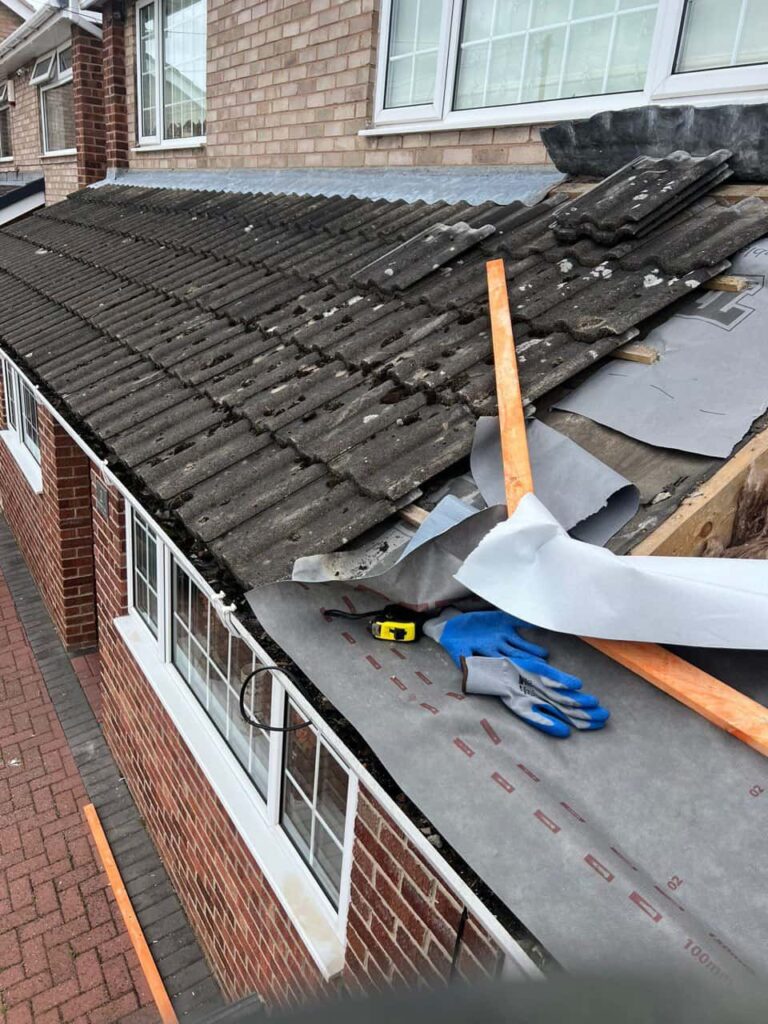
Tiled roofs are one of the most popular roofing systems found on homes across the UK. They offer durability, excellent weather protection, and an attractive appearance that complements a wide variety of property styles. However, like all roofing materials, tiled roofs are exposed to the effects of the weather throughout the year. One of the most significant challenges they face is wind uplift.
Wind uplift can cause serious damage if left unchecked, often leading to displaced tiles, water ingress, and further structural problems. For homeowners in Hillfield, Coventry, understanding how wind affects a tiled roof can help prevent costly issues and ensure the roof continues to provide reliable protection for years to come.
At Hillfield Roofing Repairs, we regularly inspect and repair tiled roofs that have been affected by strong winds, helping homeowners maintain safe and secure roofing systems.
What Is Wind Uplift?
Wind uplift occurs when strong winds create pressure differences around a roof. As wind passes over the roof surface, it can generate lifting forces that place stress on roofing materials.
This force can:
- Lift individual tiles
- Loosen fixings
- Dislodge ridge tiles
- Create gaps in the roof covering
- Expose vulnerable areas to the elements
Even roofs that appear to be in good condition can be affected if the wind conditions are severe enough.
Why Tiled Roofs Are Vulnerable
Roof tiles are designed to overlap and work together as a protective barrier. However, because they are individual units rather than a continuous surface, strong winds can sometimes gain access beneath the edges of tiles.
This is more likely when:
- Tiles become loose over time
- Fixings deteriorate
- Previous repairs were not completed properly
- Roofing materials begin to age
Once one tile becomes displaced, neighbouring tiles may also become vulnerable.
Damage Often Starts at Roof Edges
The edges of a roof are often the areas most exposed to wind uplift.
Particular attention should be paid to:
- Verge tiles
- Eaves
- Ridge tiles
- Hip tiles
- Gable ends
These areas experience the greatest wind pressure and are often the first places where damage occurs.
Ageing Roofs Face Greater Risks
As a tiled roof gets older, its ability to resist wind uplift can gradually decline.
Common age-related issues include:
- Weakened fixings
- Mortar deterioration
- Tile movement
- General weathering
Older roofs should be inspected regularly to ensure they remain secure and capable of withstanding adverse weather conditions.
Missing Tiles Create Further Problems
When wind uplift causes tiles to become loose or detached, the consequences often extend beyond the initial damage.
Missing tiles can lead to:
- Water penetration
- Damage to roofing felt
- Moisture entering the loft space
- Internal damp problems
- Accelerated roof deterioration
Addressing displaced tiles quickly helps prevent more extensive repairs later.
The Importance of Proper Tile Fixing
Modern roofing standards place significant emphasis on secure tile fixing methods.
Professional installation helps ensure:
- Tiles remain securely fastened
- Wind resistance is maximised
- Movement is minimised
- The roof performs effectively during storms
Correct installation and maintenance are among the best defences against wind-related roofing issues.
Strong Winds Can Expose Hidden Weaknesses
One reason wind uplift is such a concern is that it often reveals problems that were already developing beneath the surface.
Strong winds may expose:
- Loose tiles
- Failing mortar
- Damaged battens
- Weak fixings
- Poor previous repairs
In many cases, wind damage is not solely caused by the weather itself but by underlying defects that have gone unnoticed.
Why Regular Roof Inspections Matter
Routine inspections are one of the most effective ways to reduce the risk of wind uplift damage.
A professional roof survey can identify:
- Loose or cracked tiles
- Deteriorating ridge mortar
- Damaged flashing
- Areas vulnerable to wind pressure
- Early signs of roof movement
Addressing these issues before severe weather arrives helps strengthen the roof and reduce future risks.
Protecting Your Property from Weather Damage
A secure tiled roof is essential for protecting the entire property.
Regular maintenance helps:
- Preserve weather resistance
- Prevent water ingress
- Maintain structural integrity
- Extend roof lifespan
- Reduce the likelihood of emergency repairs
Preventative maintenance is often the most effective approach to long-term roof care.
Why Professional Roofing Repairs Are Essential
Roofing work should always be carried out by experienced professionals who understand how tiled roofing systems perform under different weather conditions.
At Hillfield Roofing Repairs, we provide:
- Tiled roof repairs
- Tile replacement services
- Ridge tile repairs
- Roof inspections
- Storm damage assessments
- General roof maintenance
Our experienced team helps homeowners identify vulnerabilities and keep their roofs in excellent condition throughout the year.
Conclusion
Wind uplift is a significant concern for tiled roofs because it can loosen, lift, and dislodge roofing materials, leading to leaks and more extensive damage. Older roofs, weakened fixings, and neglected maintenance can all increase the risk of wind-related problems.
For homeowners in Hillfield, Coventry, regular inspections and timely repairs are essential for protecting tiled roofs from the effects of strong winds. At Hillfield Roofing Repairs, we provide expert roofing services that help maintain secure, weather-resistant roofs and ensure long-term protection for your home.
Call us on: 024 7542 4897
Click here to find out more about Hillfield Roofing Repairs
Click here to complete our contact form and see how we can help with your roofing needs.