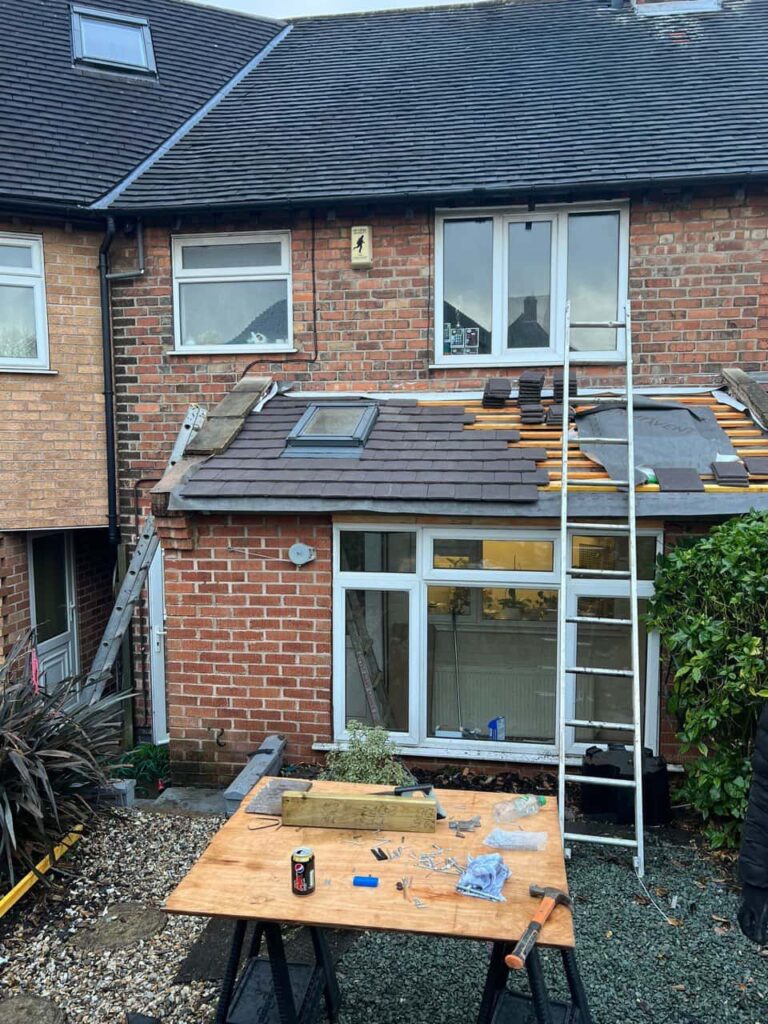
Lead flashing plays a critical role in keeping a roof watertight. It is designed to seal vulnerable junctions where the roof meets chimneys, walls and other structural features. When lead flashing begins to fail, water can find its way into the property, often causing damage that is not immediately visible. For homeowners in Hillfield, Coventry, recognising early flashing issues can help prevent wider roofing problems and protect the condition of the building.
Below are five common lead flashing issues that should never be overlooked.
1. Cracked or split lead flashing
Over time, lead flashing can crack or split due to natural movement in the building or prolonged exposure to changing weather conditions. Even small splits can allow water to penetrate beneath the roof covering.
Cracked flashing often leads to:
- Damp patches near chimneys or walls
- Water ingress during heavy rainfall
- Gradual deterioration of surrounding roof materials
Early attention is essential to prevent these minor faults from escalating.
2. Lifting or loose flashing sections
Lead flashing must sit securely against both the roof surface and the adjoining structure. If sections lift or come loose, water can easily track underneath.
This issue is commonly caused by:
- Movement in brickwork or roof timbers
- Poor fixing or aging materials
- Prolonged exposure to wind and weather
Loose flashing compromises the seal and should be addressed promptly to restore protection.
3. Poorly formed joints and overlaps
Effective lead flashing relies on correctly formed joints and overlaps to direct water away from vulnerable areas. When these are poorly shaped or have deteriorated over time, water can seep through gaps rather than being channelled safely away.
In properties around Hillfield, this can result in persistent leaks that are difficult to trace unless the flashing is carefully inspected by a professional.
4. Lead fatigue and surface wear
Lead is durable, but it can suffer from fatigue as it expands and contracts with temperature changes. Over time, this movement weakens the material, reducing its ability to maintain a reliable seal.
Signs of lead fatigue include:
- Surface cracking or rippling
- Loss of flexibility
- Increased susceptibility to splitting
Addressing fatigued flashing early helps maintain the roof’s overall integrity.
5. Inadequate integration with surrounding materials
Lead flashing must work in harmony with tiles, slates and masonry. If it is not properly integrated, water can bypass the flashing entirely.
This issue may arise when:
- Roof coverings have shifted or settled
- Repairs have been carried out without proper alignment
- Older flashing no longer suits the current roof structure
Correct integration ensures water is directed away from the roof rather than into it.
The importance of professional inspection and repair
Lead flashing issues are not always obvious from ground level, yet they can have a significant impact on the condition of a roof. Professional roofers understand how flashing should perform and can identify subtle signs of failure before they lead to more serious problems.
At Hillfield Roofing Repairs, lead flashing is inspected and repaired with care and attention to detail, helping homeowners in Hillfield maintain a secure and weather-resistant roof.
Conclusion
Lead flashing is a small but vital component of any roofing system. Cracks, loose sections, poor joints, material fatigue and improper integration can all compromise its effectiveness if left unaddressed. By recognising these issues early, homeowners can protect their property from water damage and preserve the condition of their roof.
If you suspect problems with lead flashing on your property in Hillfield, Coventry, Hillfield Roofing Repairs can provide professional assessment and reliable repair solutions. Contact the team today to ensure your roof remains secure and well protected.
Call us on: 024 7542 4897
Click here to find out more about Hillfield Roofing Repairs
Click here to complete our contact form and see how we can help with your roofing needs.