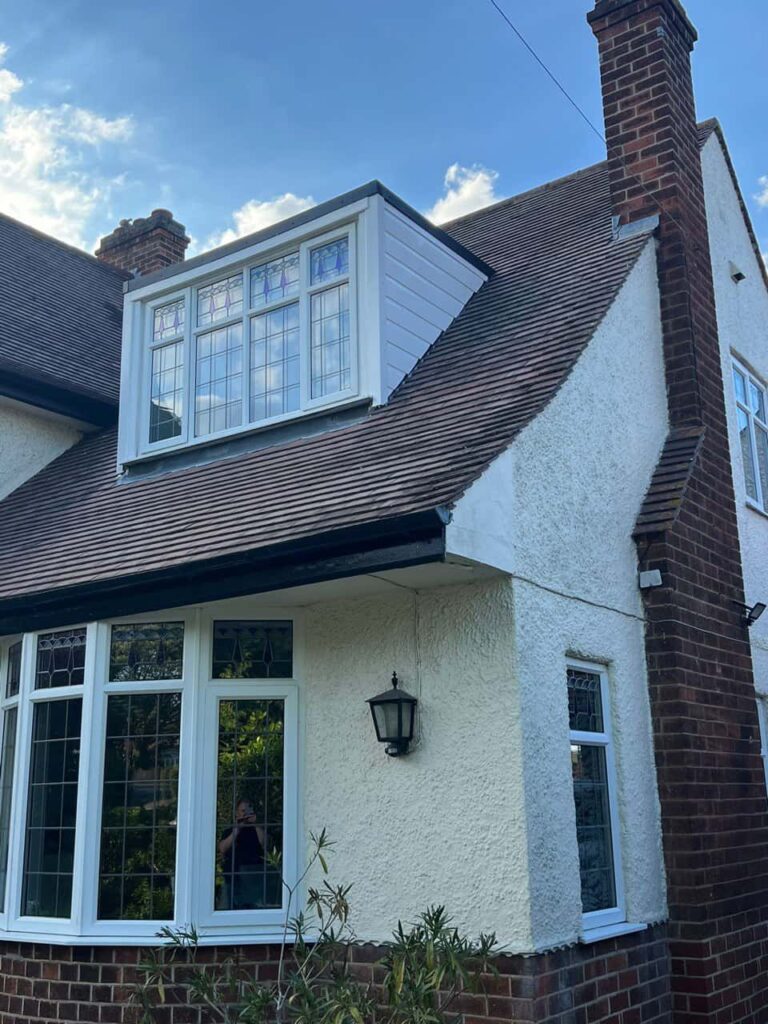
Why Accurate Diagnosis Matters Before Roof Repairs Begin
A roof repair should do more than cover the most obvious defect. If the underlying cause of the problem remains unidentified, leaks, slipped tiles and damp patches may return even after repair work has been completed.
For property owners in Hillfield, Coventry, a thorough roofing assessment can distinguish between a localised fault and a wider weakness affecting connected parts of the roof. This root-cause approach helps ensure that repairs address the source rather than temporarily concealing the symptom.
Understand That Water Can Travel
The internal position of a leak does not always reveal where rain entered the roof. Water can move along underlay, rafters, battens and ceiling joists before becoming visible.
A ceiling stain may therefore be caused by a defect further up the roof slope or beside a nearby junction. Repairing only the area directly above the stain can leave the real entry point untouched.
An effective leak investigation considers:
- The location and pattern of internal dampness
- The roof slope above and around the affected area
- The condition of tiles, slates or membranes
- Flashing, valleys and penetrations
- Underlay and accessible roof timbers
- The weather conditions that trigger the leak
- Previous repairs in the surrounding area
Following the likely route of water provides a more reliable basis for repair.
Look Beyond the Damaged Tile
A cracked, slipped or missing tile may be the visible problem, but it may not explain why the damage occurred. Tiles can move because of failed fixings, weakened battens, poor alignment or movement within the roof structure.
A professional repair should inspect the supporting components before fitting a replacement. If the batten is soft or the fixing point has deteriorated, simply inserting another tile may result in further movement.
Neighbouring tiles should also be checked, as one displaced tile can expose adjacent edges to wind and rain.
Inspect Flashing and Roof Junctions
Chimneys, rooflights, walls, vents and changes in roof level create vulnerable junctions. These areas rely on correctly fitted flashing to direct water over the roof covering.
A recurring leak near a chimney may be caused by:
- Split or displaced flashing
- Deteriorated mortar
- Poorly formed corners
- Water entering higher up the chimney junction
- Damaged tiles beside the flashing
- Moisture travelling along nearby timbers
Applying sealant to the most visible gap may not resolve the full problem. The complete junction should be examined so that the repair restores an effective route for water.
Check Valleys and Drainage Routes
Roof valleys carry concentrated volumes of rainwater. Debris, deteriorated linings and poorly formed overlaps can cause leaks that appear in different places below.
Gutters and outlets can also contribute to repeat problems. If water cannot drain freely, it may overflow, back up beneath the roof edge or remain against vulnerable materials.
A root-cause inspection should check whether:
- Valleys are clear and correctly supported
- Gutters are aligned and unobstructed
- Downpipes are carrying water away
- Water is entering behind the gutter
- Low points are allowing moisture to collect
- Eaves materials have been affected
Restoring drainage can be just as important as repairing the roof covering itself.
Assess the Roofing Underlay
Underlay provides secondary protection beneath tiles and slates. Over time, it can become brittle, torn or damaged around fixings.
If water passes through the outer covering, defective underlay may allow it to reach battens, insulation and ceilings. A tile replacement alone will not correct deterioration beneath a wider section.
Where accessible, the underlay should be checked for sagging, holes and signs of prolonged moisture exposure. Its condition helps determine whether the repair can remain localised.
Consider the Effect of Previous Repairs
Repeated repairs can leave a roof containing several patches, sealants and replacement materials. Some may be effective, while others may redirect water or conceal deterioration beneath them.
When a problem returns, the surrounding repair history should be reviewed. Important questions include:
- Has the same section leaked before?
- Was the original cause confirmed?
- Are several materials overlapping?
- Has the repair created a weak joint?
- Is water entering beside the repaired area?
- Has deterioration spread beyond the patch?
Understanding what was previously done can prevent another repair from repeating the same limited approach.
Distinguish Roof Leaks from Condensation
Not all moisture in a loft or ceiling is caused by rainwater. Condensation can form when warm indoor air reaches colder roof materials, particularly where ventilation is restricted.
Possible signs include widespread dampness, moisture on the underside of the roof and mould affecting several areas. Rainwater penetration is more likely to follow a particular route or worsen during specific weather.
Both problems can exist at the same time, so identifying the moisture source is essential before choosing a solution.
Examine the Wider Roof Condition
A local repair is appropriate when the surrounding roof remains sound. However, repeated defects across several sections may suggest that deterioration is no longer isolated.
A wider reassessment may be needed when:
- Tiles repeatedly slip from different areas
- Leaks appear in several rooms
- Underlay is extensively deteriorated
- Battens or roof timbers show widespread weakness
- Flashing and mortar are failing at multiple junctions
- Previous repairs no longer remain effective
- Different roof slopes require frequent attention
This does not automatically mean that the entire roof needs replacing. It means that the full pattern of deterioration should be understood before more local work is undertaken.
Use the Conditions of the Leak as Evidence
The timing of a leak can provide useful diagnostic information. A problem that appears during strong wind may involve lifted tiles or exposed overlaps, while a leak that develops after prolonged light rain may be linked to slow water penetration or saturated materials.
Record whether the leak:
- Starts immediately or after several hours
- Appears only during wind-driven rain
- Continues after rainfall stops
- Worsens when gutters overflow
- Changes position in different weather
- Returns after the same type of rainfall
These details can help the roofer narrow down the likely entry route.
Conclusion
Avoiding repeat roof repairs begins with identifying why the defect developed and how water is moving through the roofing system. Tiles, fixings, battens, underlay, flashing and drainage must be considered together rather than treating each visible symptom in isolation.
If a roofing problem keeps returning at your property in Hillfield, Hillfield Roofing Repairs can inspect the wider area and identify the most likely underlying cause. A thorough diagnosis allows the repair to address the weakness itself and restore more dependable protection.
Call us on: 024 7542 4897
Click here to find out more about Hillfield Roofing Repairs
Click here to complete our contact form and see how we can help with your roofing needs.