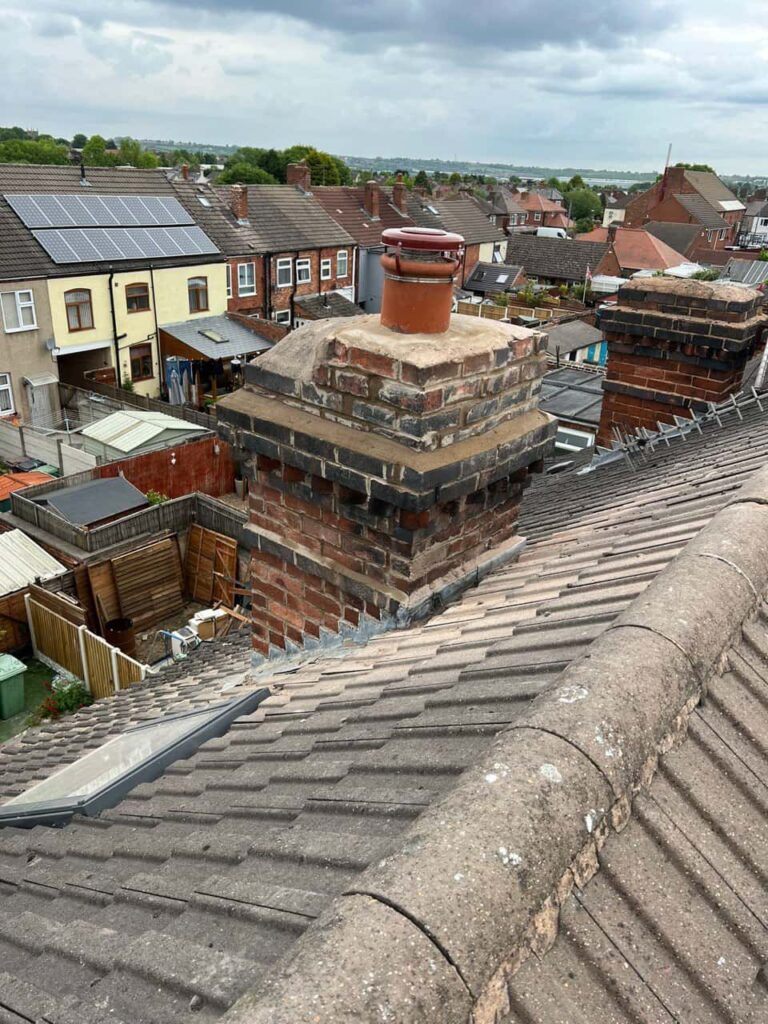
A roofline should normally appear straight and consistent when viewed from ground level. A visible dip, curve or uneven section may indicate that part of the roofing system is no longer receiving adequate support.
Not every irregularity means the roof is close to failure. Older properties can have minor variations caused by historic construction or gradual settlement. However, a roofline that has recently changed, is becoming more noticeable or is accompanied by leaks should be professionally inspected.
For homeowners in Hillfield, Coventry, recognising the possible causes of roof sagging can help prevent an underlying defect from spreading.
Possible Causes of a Sagging Roofline
The visible roof covering is supported by battens, rafters and other structural components. Sagging may develop when one or more of these elements become weakened, distorted or overloaded. Establishing the precise cause requires an assessment of both the exterior and accessible areas inside the roof space.
Moisture-Damaged Roof Timbers
Persistent water ingress is one of the most concerning causes of a sagging roofline. A leak around damaged tiles, failed flashing or another vulnerable detail can gradually affect the timber beneath the covering.
Prolonged dampness may cause rafters, battens or roof decking to soften and lose strength. The resulting movement can then become visible as a dip in the roof surface. Repairing the external leak alone may not be sufficient if the supporting materials have already deteriorated.
Weakened or Broken Rafters
Rafters carry the weight of the roof covering and transfer that load through the supporting structure. If a rafter splits, bends or loses support, the section above it may begin to sag.
This type of problem may be caused by age, moisture damage, previous alterations or long-term stress. A professional inspection is needed to determine how much of the structure is affected and whether the movement is stable or continuing.
Deteriorated Roof Battens
Tiles and slates are generally secured to battens laid across the rafters. If these battens decay or break, the covering may no longer remain level.
Localised batten failure can make a small area appear uneven, while more widespread deterioration may affect a larger roof slope. Because battens are concealed beneath the covering, their condition cannot usually be confirmed from ground level.
Excessive Weight on the Roof
A roof must be capable of supporting its covering and the normal loads placed upon it. Problems can develop when unsuitable replacement materials have been installed or additional weight has been introduced without adequate support.
A heavier covering may gradually cause rafters to deflect, particularly if the structure was not designed for that load. The complete build-up of the roof should therefore be assessed rather than concentrating only on the visible dip.
Movement Within the Roof Structure
Timber naturally responds to changes in moisture and temperature, while properties can also experience gradual movement over time. Minor historic variations may remain unchanged for many years, but active movement can distort the roofline and affect junctions, fixings and coverings.
Signs such as newly cracked internal finishes, gaps around roof timbers or worsening distortion may indicate that the issue extends beyond a few displaced tiles.
Poorly Executed Previous Alterations
Changes made within a roof space can affect how loads are distributed. Removing, cutting or altering supporting components without an appropriate solution may allow part of the structure to move.
Previous repairs can also create problems if they added weight without addressing weakened timbers. An inspection may reveal whether the sag is associated with an older alteration rather than recent weather damage.
Failure of Flat Roof Decking
Sagging is not limited to pitched roofs. A flat roof may develop low areas when its supporting deck becomes damaged, inadequately supported or affected by moisture.
These depressions can encourage rainwater to collect instead of draining correctly. Standing water then places additional pressure on the covering and may accelerate deterioration, creating a cycle in which the sagging and moisture problem become progressively worse.
Why Surface Repairs May Not Be Enough
Replacing a few tiles can restore the outer covering, but it will not correct weakened support underneath. Similarly, applying a surface treatment to a flat roof will not resolve movement within deteriorated decking.
An effective repair must address the reason the roof has changed shape. This may involve renewing damaged coverings, repairing the source of water ingress and restoring the affected supporting materials.
How a Professional Roof Inspection Helps
A roofer will assess the shape of the roof, the condition of its coverings and the vulnerable details around ridges, valleys, chimneys and junctions. Where accessible, the roof space can also be examined for staining, softened timber, cracked components and signs of movement.
This wider assessment helps distinguish between a minor surface irregularity and a defect requiring more substantial attention. It also prevents unnecessary work by ensuring the recommended repair is based on the actual condition of the roof.
Should a Sagging Roofline Be Treated Urgently?
A newly developed or worsening sag should be assessed promptly, particularly if it appears alongside water ingress, unusual movement or damaged internal finishes. The roof should not be walked on or disturbed before its condition is understood.
Even where no leak is visible, early investigation is sensible. Roof defects can remain concealed beneath the covering, and internal signs may not appear until moisture or movement has already spread.
Conclusion
A sagging roofline can indicate weakened rafters, deteriorated battens, moisture-damaged timber, excess weight or movement within the supporting structure. It may also be associated with failed decking on a flat roof.
The appropriate solution depends on the underlying cause rather than the appearance of the roof alone. Hillfield Roofing Repairs provides professional roof inspections and repairs in Hillfield, Coventry. If you have noticed a dip or change in your roofline, contact our team to arrange a detailed assessment.
Call us on: 024 7542 4897
Click here to find out more about Hillfield Roofing Repairs
Click here to complete our contact form and see how we can help with your roofing needs.